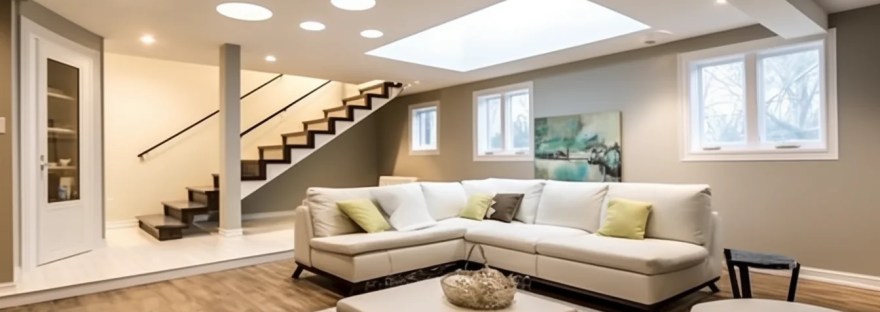
Designing an energy-efficient basement requires a thoughtful approach to both comfort and sustainability. Key elements include high-quality insulation, strategically placed windows, and energy-efficient lighting. By integrating sustainable materials and advanced HVAC systems, homeowners can greatly reduce energy costs and environmental impact. However, the process involves careful consideration of various techniques and materials. What specific strategies can be employed to create a basement that is not only functional but also eco-friendly?
Key Takeaways
- Use high-quality insulation techniques, like spray foam and rigid foam boards, to minimize heat loss and maintain a comfortable temperature.
- Incorporate strategically placed windows for natural light and effective ventilation, enhancing indoor air quality.
- Choose energy-efficient LED lighting to significantly reduce electricity usage while providing adequate illumination.
- Implement high-efficiency HVAC systems to improve air quality and maintain consistent temperature control throughout the basement.
- Utilize sustainable materials, such as reclaimed wood and low-VOC paints, to enhance both the aesthetic and environmental impact of your basement design.
Understanding the Importance of Energy Efficiency in Basements
Although basements are often overlooked in discussions about energy efficiency, their design plays a crucial role in a home’s overall energy performance. An energy-efficient basement can greatly reduce heating and cooling costs while enhancing indoor air quality. By integrating insulation, moisture control, and strategic ventilation, homeowners can create a space that not only conserves energy but also fosters a sense of community and well-being. Additionally, energy-efficient basement designs promote sustainability, aligning with eco-conscious values that resonate with modern homeowners. Investing in such designs contributes to lower carbon footprints and supports a collective effort toward environmental stewardship. Ultimately, understanding the importance of energy efficiency in basements empowers individuals to create comfortable, welcoming spaces that honor both personal and planetary health.
Key Features of Energy-Efficient Basement Designs
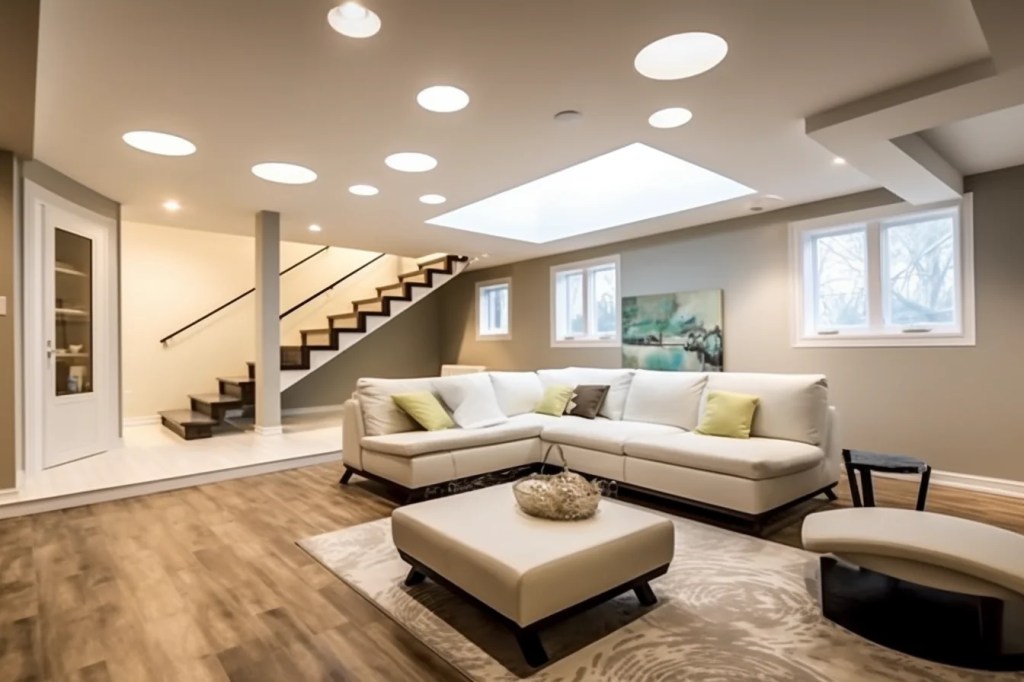
When considering energy-efficient basement designs, several key features emerge that greatly enhance both functionality and sustainability. First, ideal insulation is essential, reducing heat loss and maintaining comfortable temperatures. Second, strategically placed windows allow for natural light while minimizing energy consumption through effective ventilation. Additionally, incorporating energy-efficient lighting, such as LED fixtures, considerably lowers electricity use. Another critical feature is the use of high-efficiency HVAC systems, which promote better air quality and temperature control. Finally, advanced moisture management techniques prevent water damage and mold, ensuring a healthier environment. By integrating these elements, homeowners can create inviting, eco-conscious spaces that foster a sense of community and belonging while contributing to environmental responsibility.
Choosing Sustainable Materials for Your Basement
Incorporating sustainable materials into basement designs markedly enhances the energy efficiency and overall environmental impact of the space. By selecting eco-friendly options, homeowners can create a healthier environment while conserving resources. Thoughtful choices lead to a basement that aligns with modern sustainability goals.
- Reclaimed Wood: Utilizes salvaged materials, reducing demand for new timber.
- Low-VOC Paints: Minimizes harmful emissions, promoting better indoor air quality.
- Bamboo Flooring: A rapidly renewable resource, bamboo offers durability and aesthetic appeal.
- Recycled Steel: Provides structural integrity with a lower carbon footprint than traditional steel.
These materials not only enhance the aesthetic and functional qualities of energy-efficient basement designs but also foster a sense of community responsibility and environmental stewardship among homeowners.
Insulation Techniques for an Energy-Efficient Basement
Effective insulation techniques are essential for achieving energy-efficient basement designs, as they greatly influence temperature regulation and energy consumption. Utilizing materials such as spray foam, rigid foam boards, and fiberglass batts can greatly enhance thermal performance. Closed-cell spray foam provides an air-tight seal, reducing drafts and moisture infiltration, while rigid foam boards offer high insulating values with minimal space intrusion. Incorporating vapor barriers further protects against dampness, ensuring a healthier indoor environment. Additionally, reflective insulation can be installed to optimize radiant heat transfer, particularly in warmer climates. By adopting these innovative insulation techniques, homeowners not only contribute to sustainable living but also foster a sense of community by promoting energy conservation efforts, appealing to those who seek belonging through eco-conscious choices.
Cost-Effective Strategies to Enhance Basement Efficiency
Although many homeowners may overlook the basement when considering energy efficiency, cost-effective strategies can greatly enhance its performance and contribute to overall sustainability. By implementing innovative solutions, homeowners can create an energy-efficient basement design that not only reduces costs but also fosters a sense of community and environmental responsibility.
- Install energy-efficient LED lighting to minimize electricity usage.
- Utilize vapor barriers to prevent moisture and reduce heating costs.
- Incorporate reclaimed materials for flooring and walls to enhance sustainability.
- Implement a programmable thermostat to optimize heating and cooling.
These strategies not only improve energy efficiency but also promote a sense of belonging among homeowners dedicated to eco-conscious living. Enhancing basement efficiency is a crucial step toward achieving a more sustainable home.
Conclusion
To sum up, designing an energy-efficient basement is a multifaceted endeavor that harmonizes comfort, sustainability, and cost-effectiveness. By prioritizing high-quality insulation, natural light, and eco-friendly materials, homeowners can greatly enhance their living spaces while reducing energy consumption and environmental impact. These strategic choices not only yield long-term financial savings but also foster a healthier indoor atmosphere. Ultimately, a thoughtfully designed basement serves as a model for sustainable living, showcasing the profound benefits of energy efficiency in modern home design.
 Dreamscape Builders